Essential Safety Checks Before Sailing
Setting out on a sailing trip brings a sense of freedom and connection with the sea, but it also carries a responsibility to be prepared for the unexpected. The waters around the United Kingdom, with their changing tides and weather patterns, demand respect and careful planning. Before leaving the marina or mooring, a thorough review of safety equipment and procedures is not just a good habit but a fundamental part of seamanship. This article outlines a practical pre-departure checklist focusing on essential safety gear—life jackets, flares, fire extinguishers, and communication devices—to help you depart with confidence.
Preparation is a process that involves inspecting, testing, and understanding each piece of equipment. It is not about anticipating a specific incident but about ensuring that if one arises, you have the tools and knowledge to respond appropriately. The goal is to minimise risk and maximise safety, recognising that the sea can be unpredictable. By methodically checking your safety systems before every voyage, you create a foundation of reliability that supports a more enjoyable and reassuring sailing experience.
Life Jackets: Personal Flotation Essentials
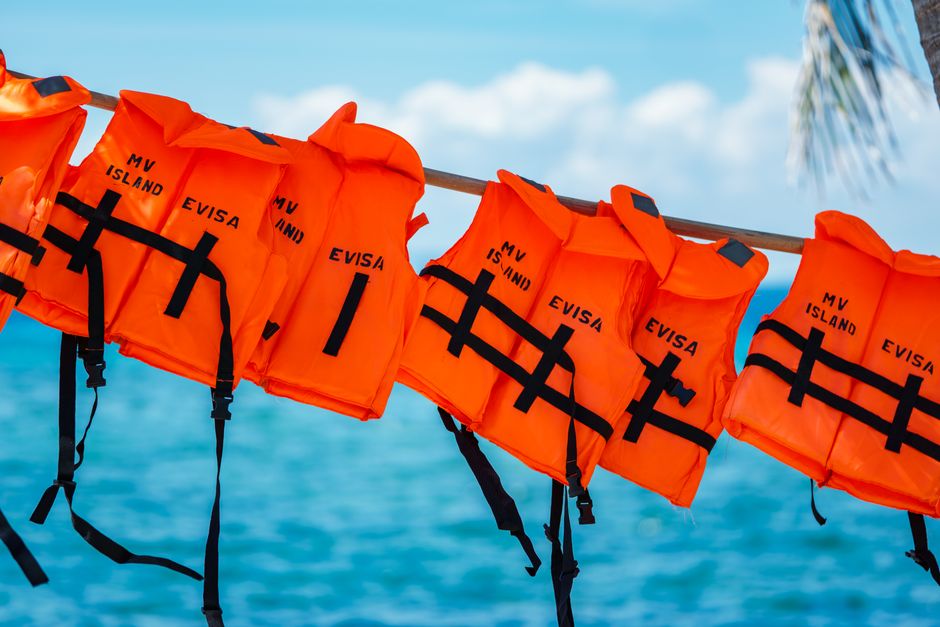
Life jackets are the most personal and critical piece of safety equipment on board. They are not simply items to be stored; they are your first line of defence if you end up in the water. When checking your life jackets, start with the outer shell for any signs of wear, tear, or damage. Look for abrasions, especially around straps and buckles, and check that all stitching is intact. Ensure that each jacket has a correctly sized whistle and a light, if required, and that the light battery is not expired or corroded.
For inflatable life jackets, it is vital to inspect the gas cylinders. Remove each cylinder and check its weight against the printed requirement—a used or partially filled cylinder will be lighter. Also, verify that the cylinder is properly screwed in and that the firing mechanism moves freely. Re-arm kits should be replaced according to the manufacturer’s instructions, and you should be familiar with how to manually inflate the jacket if the automatic mechanism fails. Regularly practice putting on your life jacket to confirm that it fits correctly and that all adjustments are functional.
Beyond the physical check, consider the appropriateness of the life jacket for your activities and the conditions you expect. Different designs suit different circumstances, but all should be suitable for your weight and body shape. Remember that a life jacket only works if you wear it. Make it a habit for everyone on board to put on their life jacket before the engine is started or the lines are cast off, and keep them on until you are safely back in port.
Flares: Visible Distress Signals
Flares are a primary means of attracting attention when you need assistance. In the UK, pyrotechnic flares have a limited lifespan and must be replaced according to the expiry date printed on each unit. Check every flare for its expiration date and replace any that are out of date, as they may fail to fire or underperform. Even if they are in date, inspect them for any signs of damage, such as cracked cases or moisture ingress. Store flares in a waterproof container in a readily accessible location, away from heat sources, and ensure all crew members know where they are kept.
It is not enough to have flares aboard; you must know how to use them and when they are appropriate. Read the instructions for each type of flare—parachute rockets, hand-held red flares, and orange smoke—and make sure you can deploy them correctly. Practice handling them, if possible, under supervision or at a recognised course. Understanding the difference between day and night signals is also important: orange smoke is best for daylight, while red flares are visible at night. Never fire flares as a joke or in non-emergency situations; they are serious signals meant to attract rescue services.
Proper disposal of expired flares is another aspect of safety. You cannot simply throw them in the bin. Many harbour authorities or lifeboat stations offer disposal schemes, so check with your local marina. Keeping your flares up to date and in good condition ensures that in the unlikely event of a distress situation, you have a reliable means of signaling for help.
Fire Extinguishers: Adding Fire Safety to Your Checklist
Fire on board is one of the most dangerous emergencies you can face, and having functional extinguishers is critical. Begin by checking the pressure gauge on each extinguisher; the needle should be in the green zone. If it is not, the extinguisher needs to be serviced or replaced. Look for any physical damage, such as dents, rust, or leakage, and ensure that the safety pin is intact and the nozzle is clear. Check the inspection tag to confirm that the extinguisher has been professionally serviced within the last year, as per the manufacturer’s recommendations.
Placement and accessibility are crucial. Extinguishers should be mounted in easily reachable locations, such as near the galley, the engine compartment, and the helm area. They must be visible and free from obstruction. All crew members should know exactly where each extinguisher is and how to operate it. Review the instructions on the extinguisher, which typically follow the PASS technique: Pull, Aim, Squeeze, and Sweep. However, it is more important to know your limitations: if a fire cannot be controlled quickly, the priority is to get everyone into the life raft and call for help.
Different types of fires require different extinguishing agents. Most boats use dry powder extinguishers, which are effective on Class A (wood, paper, cloth), Class B (flammable liquids), and Class C (electrical) fires. Ensure the extinguisher you have is appropriate for the possible fires aboard. For engine fires, consider installing an automatic extinguishing system in the engine bay, but remember that it must be regularly checked and certified. By maintaining your fire equipment and keeping it accessible, you reduce the risk of a small ignition becoming a catastrophic event.
Communication Devices: Staying in Touch
Effective communication is essential for safety, allowing you to call for help, receive weather updates, and stay in contact with other vessels. A VHF marine radio is the primary means of communication in UK waters, and it should be tested before departure. Check that the radio is properly installed, the antenna is secure, and the battery is fully charged. Test the radio by contacting a nearby coastguard station or another vessel, ensuring you are using the correct channel (typically channel 16 for distress and hailing).
In addition to the fixed VHF, consider carrying a handheld VHF as a backup, especially if you venture far from the shore. Both fixed and handheld units should have spare batteries or be rechargeable, and they must be kept in a waterproof bag when not in use. If you use a mobile phone, it should not be relied upon as the sole means of communication, as coverage can be unreliable at sea. Instead, treat the phone as a supplementary tool, perhaps in a floating waterproof case.
Beyond voice communication, you might also carry an EPIRB (Emergency Position Indicating Radio Beacon) or a PLB (Personal Locator Beacon). These devices can be activated in an emergency to transmit your position to rescue services, greatly aiding search efforts. If you have one, ensure it is registered with the appropriate authorities (in the UK, the Department for Transport), check the battery expiry date, and test it according to the manufacturer’s instructions. These devices add an extra layer of security, but they should not replace a VHF radio, which allows for two-way dialogue.
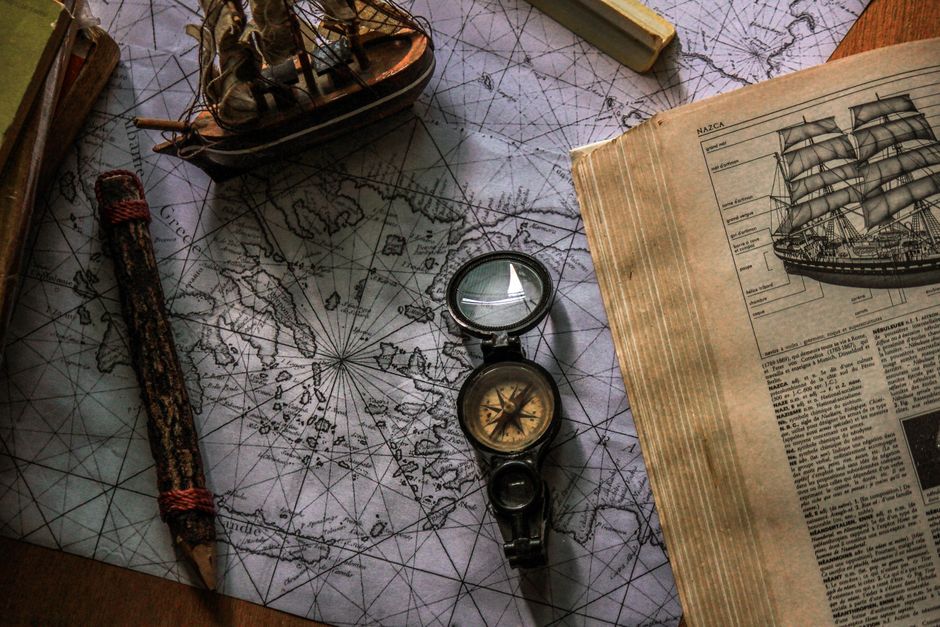
Finally, as part of your safety equipment, consider carrying a well-stocked first aid kit, a pair of binoculars, a compass, and paper charts. While not directly communication tools, they support situational awareness and preparedness. By integrating all these elements into a regular pre-departure routine, you enhance the overall safety of your voyage, allowing you to focus on the pleasure of sailing with the assurance that you are well-prepared for many scenarios.